
Investing
How to read a stock ticker and a basic quote
A plain-language decoder for the symbols, prices, and numbers on a stock quote — and which ones actually matter.
October 25, 2026
A plain-language decoder for the symbols, prices, and numbers on a stock quote — and which ones actually matter.

One is a legal floor set by law. The other is an estimate of what it actually costs to live in a place. They are rarely the same.
Spreading your money across many investments narrows the range of outcomes — and that trade is usually worth making.

A practical test for judging free budgeting apps on what they cost, what they limit, and what they ask for in return.

Allowance, jars, and small decisions can build money skills long before a first paycheck arrives.
The right budgeting tool is the one you will still open in month three. Here is how to match each type to your habits and income.
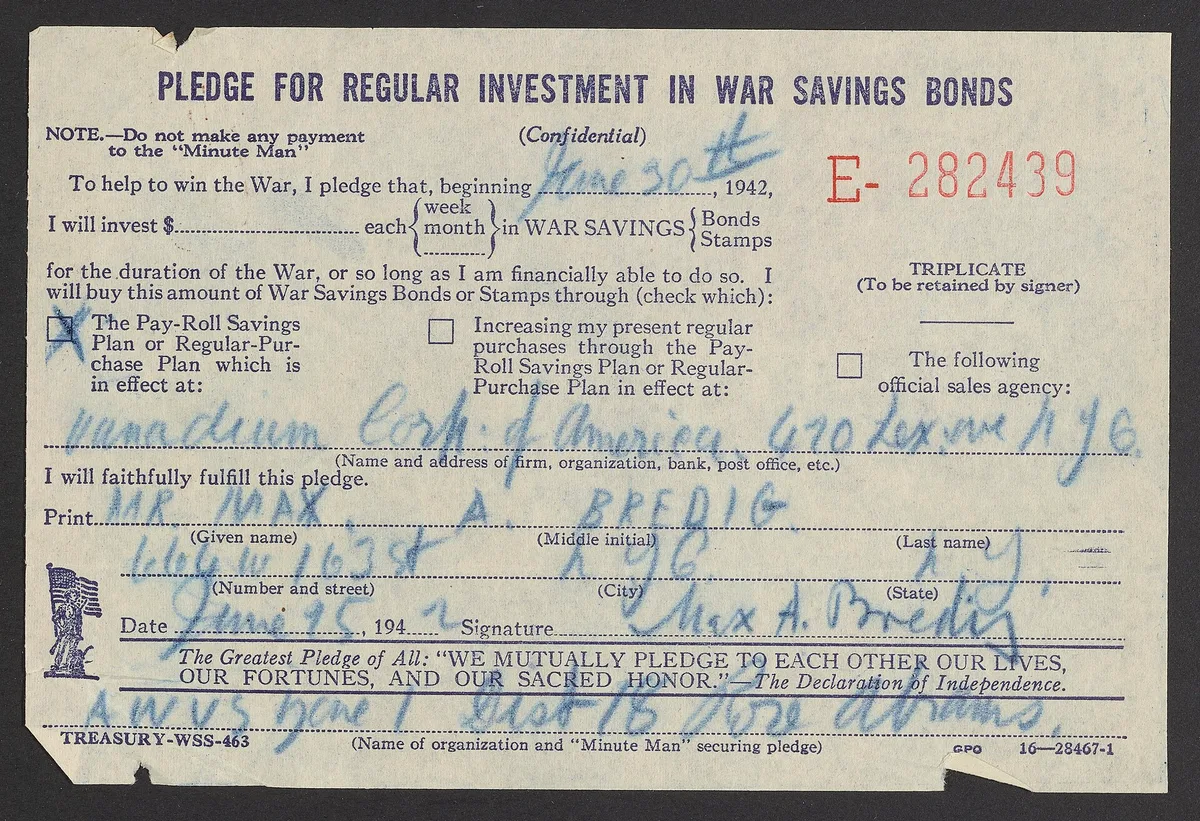
What Series EE and Series I bonds actually do, who sets the rate, and what happens when you want your money back.

A starter emergency fund of even $500 to $1,000 measurably changes how a household absorbs a surprise bill, and the path there is smaller than most people…

The quiz tells you what you like to think. Your next market drop tells you the truth. Here is how to get ahead of it.

It never shows up on your statement, but it is taken every year. Here is what the percentage covers, what it costs in dollars, and where the number is…

Most money headlines are written to be felt, not used. Here is a working method for deciding what actually changes your budget — and what you can safely ignore.
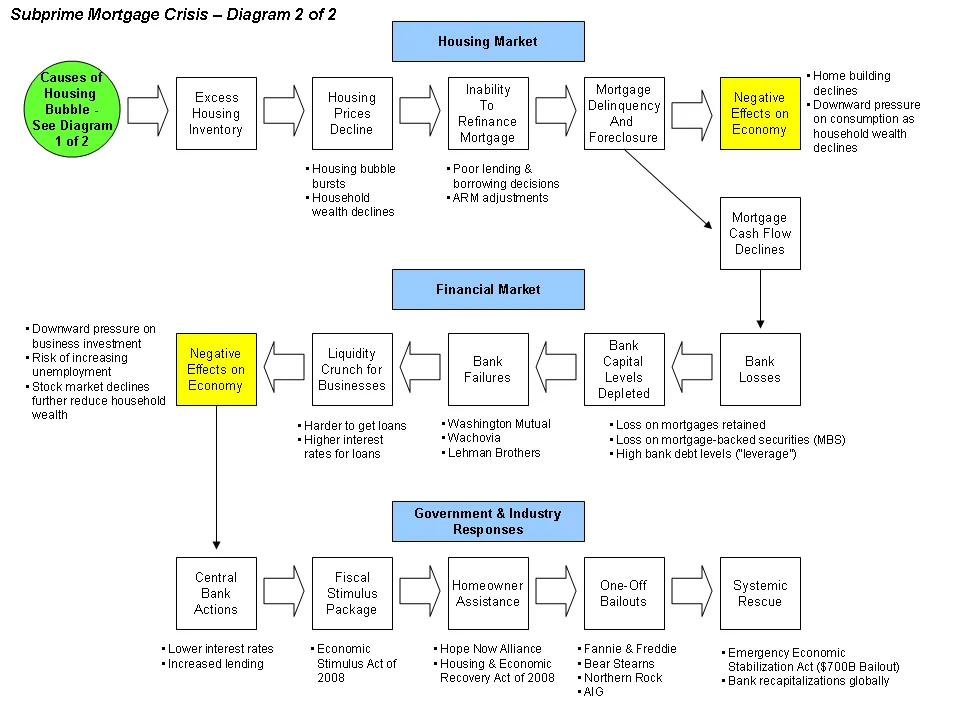
The same rate that raises your loan payment also raises your savings yield. Here is how both sides work, in plain terms.

Rewards are not a gift. They are a share of the fees you and other customers already pay — and knowing that changes how you use them.

The $250,000 FDIC limit applies per depositor, per bank, per ownership category — here's what that means in practice, what accounts qualify, and how credit…
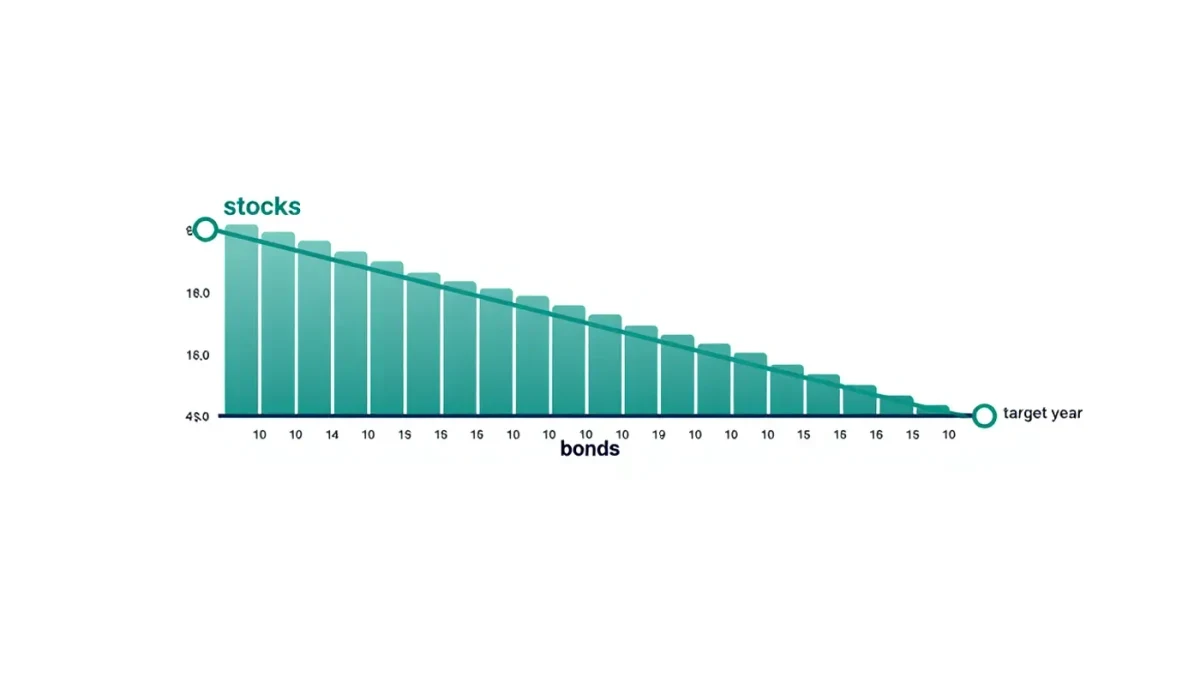
A target-date fund is an all-in-one portfolio that mixes stocks and bonds and de-risks automatically as your retirement year approaches — the one-fund answer…

The Federal Reserve lowered its target range to 3.50%–3.75% on December 10, 2025, and the effects reach savings accounts, credit cards, and loans at very…

Split cash across certificates with staggered maturities and a piece of your money comes due every year — liquidity from the short end, yield from the long end.

The 2025 law repealed the Windfall Elimination Provision and Government Pension Offset, restoring fuller benefits — and back pay — to millions of public…