
Car insurance premiums rise because claims get more expensive: replacement parts cost more, body-shop labor rates climb, medical treatment after accidents inflates, and severe weather multiplies comprehensive claims. The motor vehicle insurance category was among the fastest-rising line items in the entire Consumer Price Index during the 2023–2024 stretch, per Bureau of Labor Statistics data, with increases that outpaced general inflation for consecutive years. Insurers price the future cost of claims into today's premium — when their costs jump, your renewal jumps after them, with the state regulator's approval.
SAMCASH publishes information, not insurance advice — coverage choices depend on your state's rules, your vehicle, and your finances.
How are premiums actually set?
Each insurer files rate formulas with state regulators, who must approve them. The formula blends your risk profile — driving record, years licensed, where the car is garaged, the vehicle's repair costs and theft rate, and in most states a credit-based insurance score — with the insurer's projected claims costs. That last piece is why renewals rise even when nothing about you changed: a run of costlier parts, bigger jury awards, or hurricane-area losses gets averaged into everyone's base rate, then your personal multipliers apply on top.
What raises your rate specifically?
- At-fault accidents and moving violations — surcharges that typically last three to five years
- Comprehensive claims from weather, theft, or animal strikes, which move rates in many states
- A credit-based insurance score decline, legal in most states and heavily weighted where allowed
- Moving to a denser ZIP code or commuting farther
- Replacing an older car with a new one whose sensors and electronics cost more to repair
- A lapse in coverage — even a short one marks you higher-risk at the next underwriting
What can you actually do about it?
- Shop at every renewal — quotes for identical coverage routinely differ by hundreds of dollars between carriers, and loyalty is priced at zero.
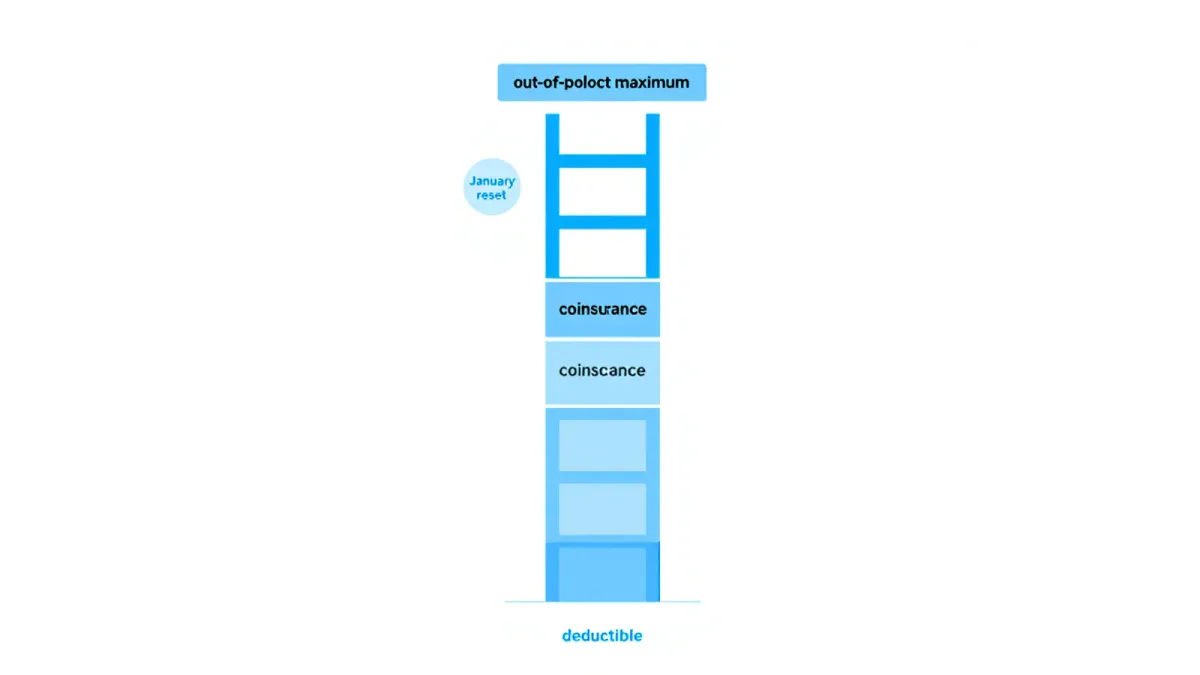
- Raise your deductible from $500 to $1,000 where your finances allow; self-insuring small hits suits anyone with an emergency fund.
- Drop comprehensive and collision on a car worth under roughly ten deductibles — insuring a $3,000 beater for $40 a month is usually a losing trade.
- Ask for the full discount list — mileage-based programs, paying in full, paperless, and multi-car stacking matter more than most ads suggest.
- Check your CLUE report — the claims database insurers read about you — for errors, at the consumer-report site run by the reporting bureaus.
Why didn't my rate fall when prices calmed?
Rate decreases lag increases, sometimes by a year or more, because insurers must file them and regulators must approve — and after a painful stretch, companies rebuild margins first. There is also a ratchet in your own file: the accident or ticket from two years ago still sits in your surcharge window, quietly repricing you even as base rates ease. When your record clears, say so at renewal time — the surcharge expiry is not always automatic in the quote.
Does shopping around hurt your credit?
No. Insurance quotes are soft inquiries — they never affect credit scores. The credit-based score insurers use is a different product from a lending score, and shopping for coverage leaves no mark on either.
What about the car itself?
The vehicle you drive prices the premium before your record does: repair cost, parts prices, theft rates, and safety-test results all feed the formula. Before the next purchase, quote insurance on the exact trim — the difference between two similar crossovers can run hundreds of dollars a year, which belongs in the buying decision beside the sticker price and the loan rate.
FAQ
Why did my premium rise without any accident?
Base-rate increases across your state or vehicle model, plus inflation in repair and medical costs, arrive at renewal even with a clean record. Compare quotes; a clean record is exactly what competing carriers want to underbid.
Is usage-based insurance worth it?
For careful, moderate-mileage drivers, often yes — sharing driving behavior through an app can trim meaningful percent. Weigh the privacy trade and drive as you actually drive: the program prices the driver you are, not the one you aspire to be.
Should I file a small claim at all?
Get a repair estimate first and compare it against your deductible plus the expected surcharge over the following years. Paying a $900 repair out of pocket is frequently cheaper than a $500 deductible claim repriced for three renewal cycles.