
Investing
Risk tolerance: how to figure out yours honestly
The quiz tells you what you like to think. Your next market drop tells you the truth. Here is how to get ahead of it.
A deliberately plain approach for households: what to clear first, which accounts come next, and why simplicity beats most alternatives at this stage.
The quiz tells you what you like to think. Your next market drop tells you the truth. Here is how to get ahead of it.

It never shows up on your statement, but it is taken every year. Here is what the percentage covers, what it costs in dollars, and where the number is…
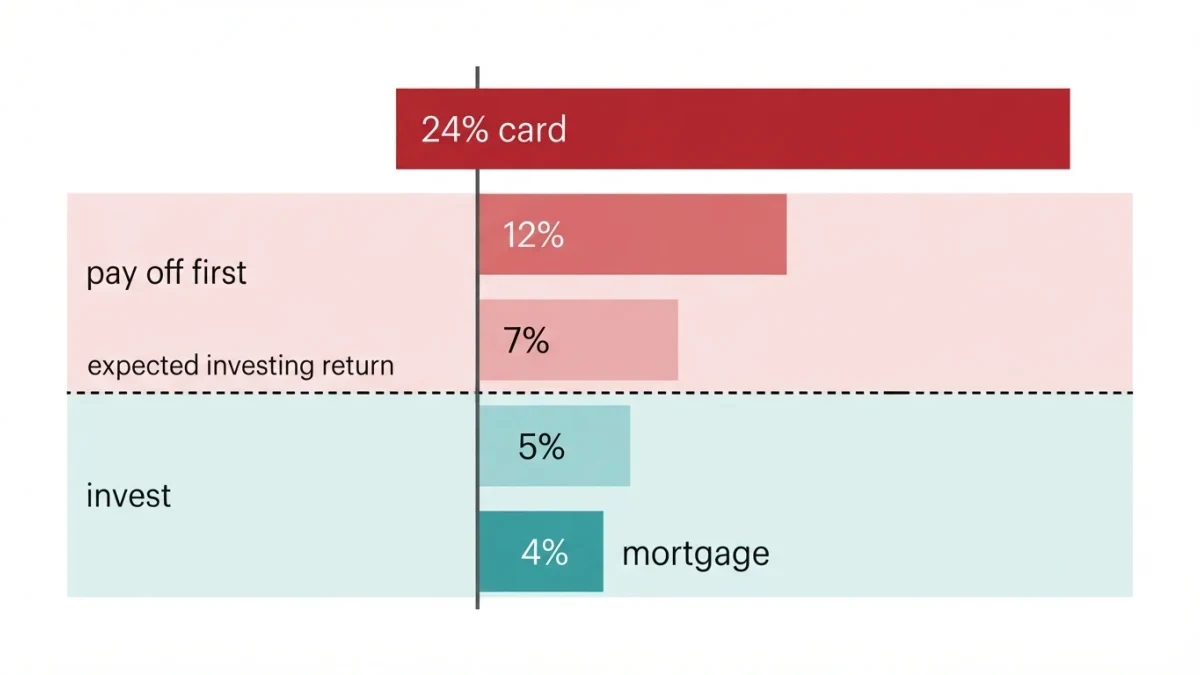
Compare the debt's guaranteed interest rate against investing's expected — uncertain — return: the 24% card wins every time, the 4% mortgage usually does not.
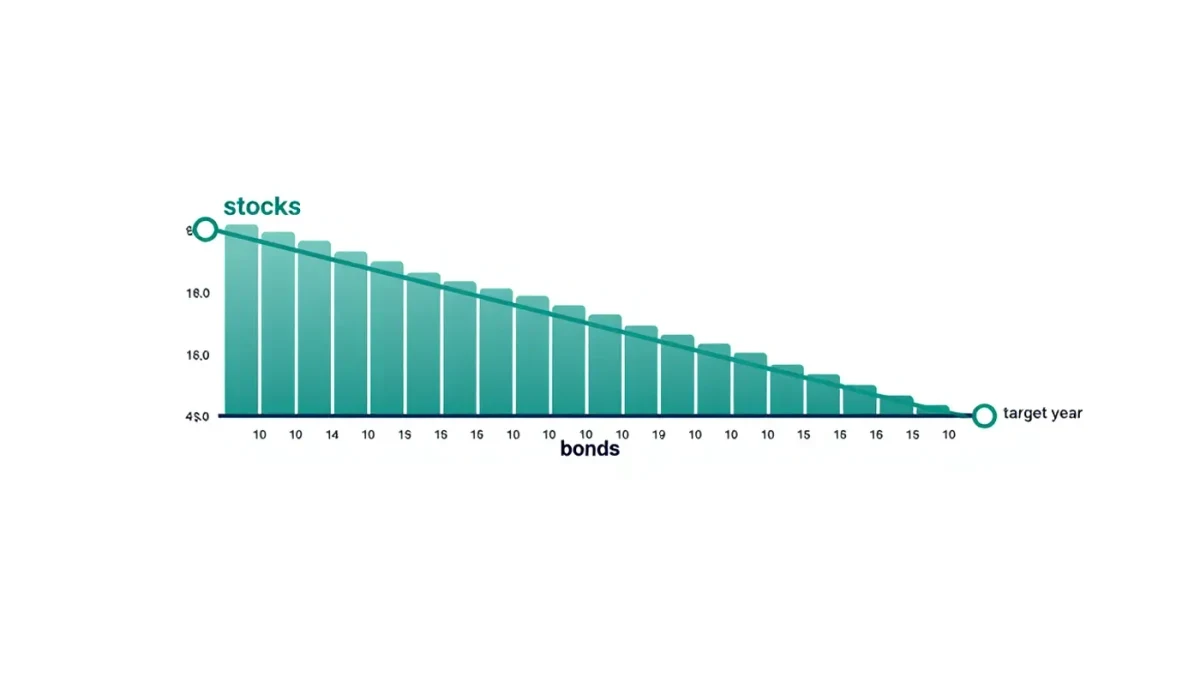
A target-date fund is an all-in-one portfolio that mixes stocks and bonds and de-risks automatically as your retirement year approaches — the one-fund answer…
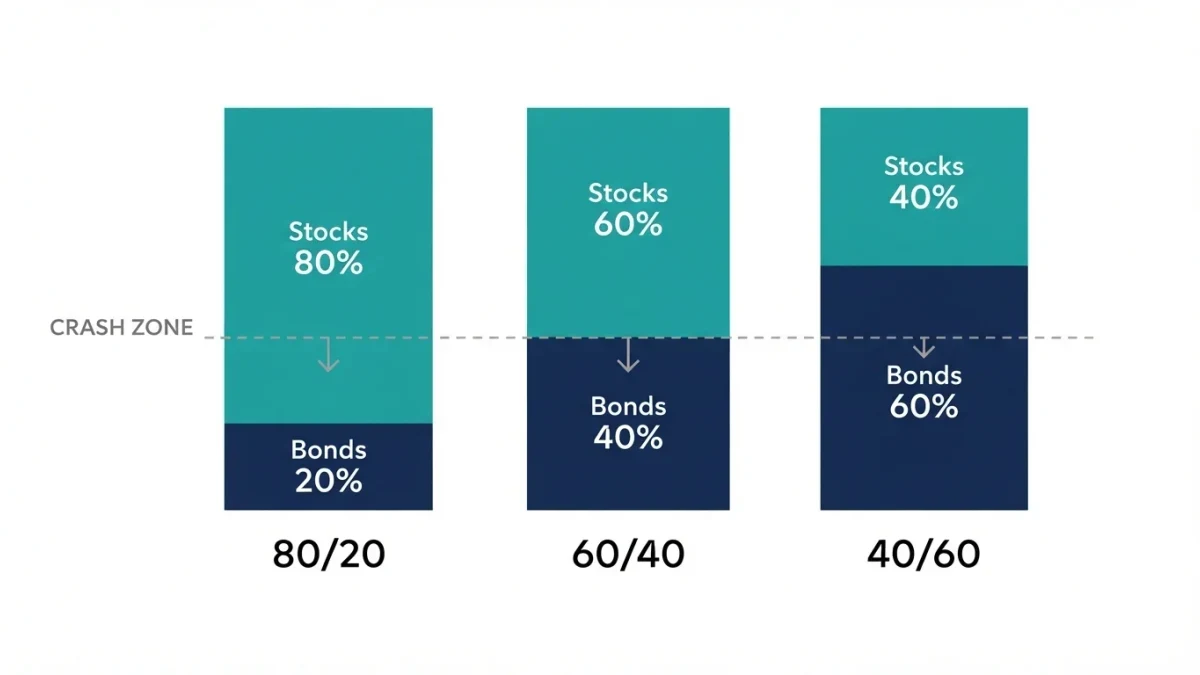
Asset allocation is the stock-to-bond split that drives most of your portfolio's behavior — the right one is set by your timeline and your honest reaction to…