
Investing
What is dollar-cost averaging, and does it work?
Dollar-cost averaging invests a fixed amount on a fixed schedule — buying more shares when prices fall and fewer when they rise, and trading market-timing…
A deliberately plain approach for households: what to clear first, which accounts come next, and why simplicity beats most alternatives at this stage.
Dollar-cost averaging invests a fixed amount on a fixed schedule — buying more shares when prices fall and fewer when they rise, and trading market-timing…
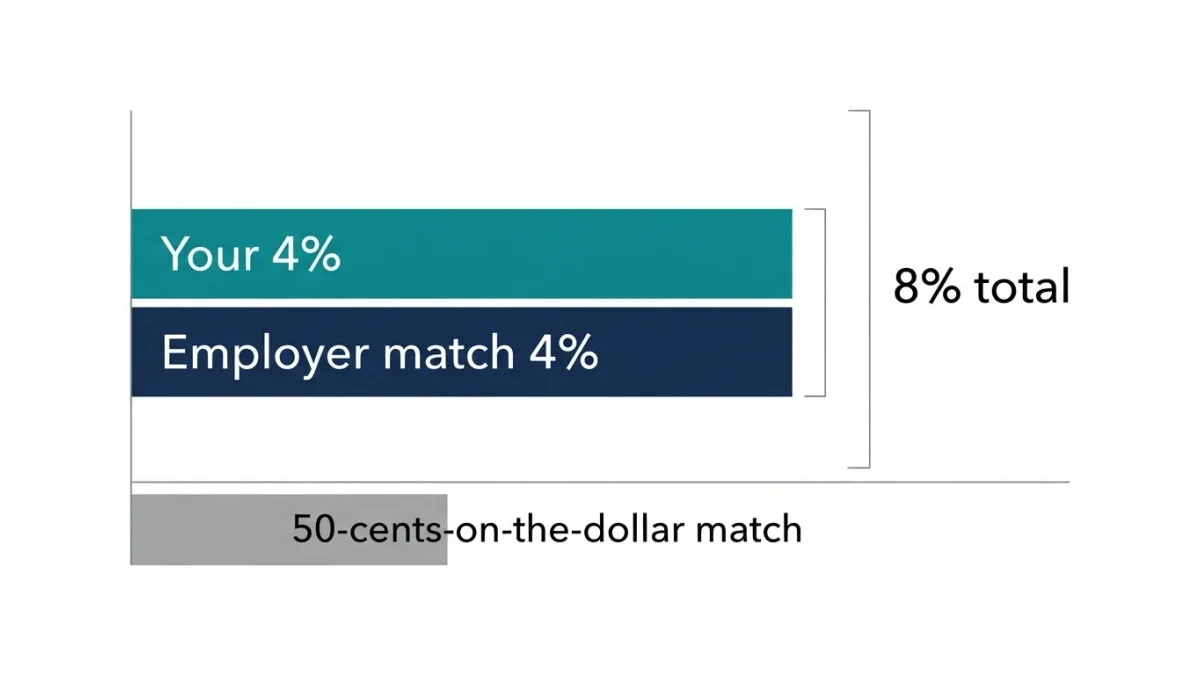
A match is your employer contributing alongside your own deferrals, typically 50 cents to a dollar per dollar up to a set percentage of pay — the only…

A Roth IRA is funded with money you have already paid tax on, grows untaxed, and comes out tax-free in retirement — $7,500 can go in for 2026.

Both pool money into one diversified basket — the differences are when they trade, what they cost, and how taxes land in a regular brokerage account.
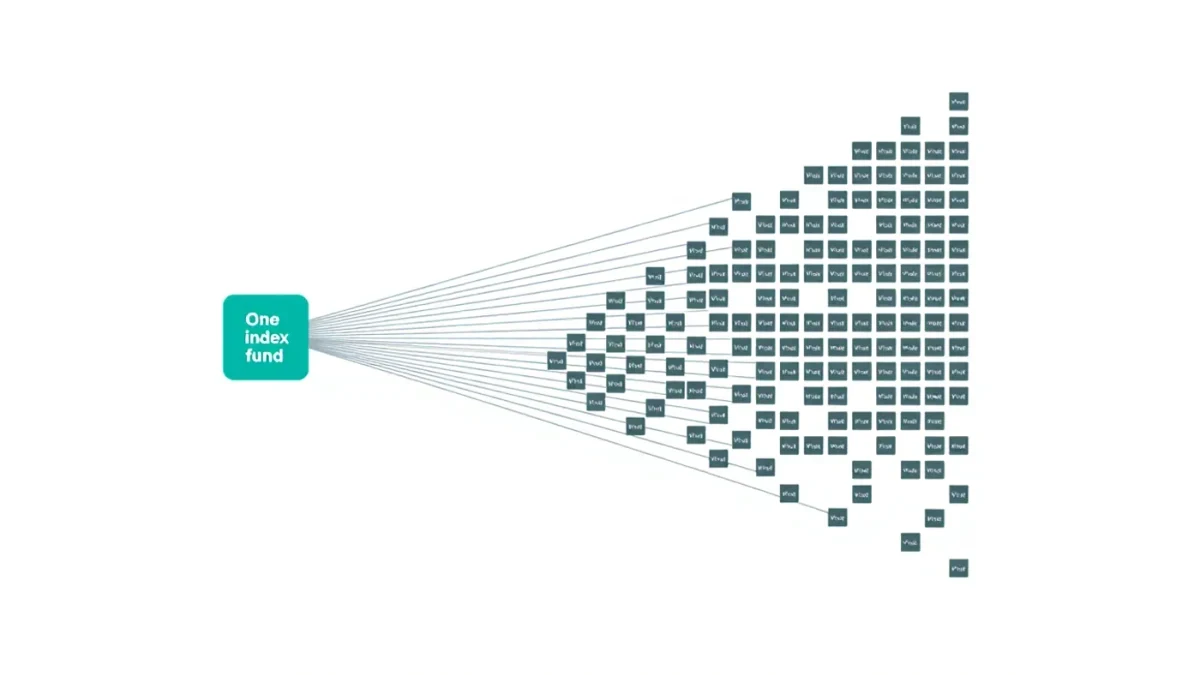
An index fund buys the whole market — or a big slice of it — in one purchase, which makes it the simplest way to own hundreds of companies without picking any…