
The child tax credit reduces your federal income tax by up to $2,200 per qualifying child for 2026 under the 2025 tax law, which made the enlarged credit permanent — up from $2,000 under prior law. It phases out above $200,000 of modified adjusted gross income for single filers and $400,000 for joint filers, at $50 of credit lost per $1,000 over the threshold, and up to $1,700 of the 2026 credit is refundable — meaning part of it arrives as a refund even when you owe no income tax at all, subject to earned-income rules the IRS publishes each year.
SAMCASH publishes information, not tax advice — credit value depends on your income, children's ages, and residency facts, and the IRS pages control.
Who qualifies as a qualifying child?
Four tests, each mechanical. Age: under 17 at the end of the tax year. Relationship: son, daughter, grandchild, sibling, or various foster and step arrangements. Dependency: the child must be claimed as your dependent. Residency: lived with you for more than half the year, with exceptions for divorce situations spelled out in IRS rules — generally the custodial parent claims the credit unless Form 8332 reallocates it. A child who turns 17 in December converts the credit to the smaller $500 credit for other dependents, a cliff worth planning around in split-custody and blended families.
How does the refundable portion work?
In two layers. First, the credit offsets tax you owe — a household with $3,000 of tax liability and two qualifying children sees that bill fall to zero on $4,400 of credit. Second, the refundable portion (up to $1,700 per child for 2026) can send back actual cash when the offset exceeds liability — but only up to earned income thresholds, which is where the mechanics bite: families with very low or zero earned income get a partial or zero refundable amount, and the phase-in formula, published by the IRS with each year's inflation adjustments, determines exactly how much. The additional child tax credit is the line on the return that computes this — Schedule 8812 walks the math.
| Situation (2 children, 2026) | Outcome |
|---|---|
| Income $85,000, tax liability $4,000 | Credit $4,400 offsets all $4,000; $400 refundable |
| Income $45,000, tax liability $900 | $900 offset; up to $3,400 refundable subject to earned-income rules |
| Income $210,000 single | Phase-out trims $500 of credit |
Illustrative cases — refundable amounts depend on the year's earned-income formula on Schedule 8812.
What changed under the 2025 law?
Three things families notice. The base credit rose to $2,200 per child, indexed for inflation in later years. The refundable portion's reach expanded, pushing more of the credit toward lower-working-income households. And the phase-out thresholds held at $200,000/$400,000 — high enough that most families never think about them, with the reduction itself computed at $50 per $1,000 above the line. The credit arrives as part of the annual return; there is no monthly advance structure like the temporary 2021 payments, and proposals to revive one remain proposals.
How do you actually claim it?
- File the return and enter each qualifying child with a valid Social Security number — the SSN requirement is strict, and ITINs do not qualify for this credit.
- Let the software or Schedule 8812 compute the refundable split; check that earned income entered correctly, since it drives the refundable layer.
- Share-credit households: the custodial parent claims by default; Form 8332 transfers the claim in writing when the divorce decree or an agreement says so.
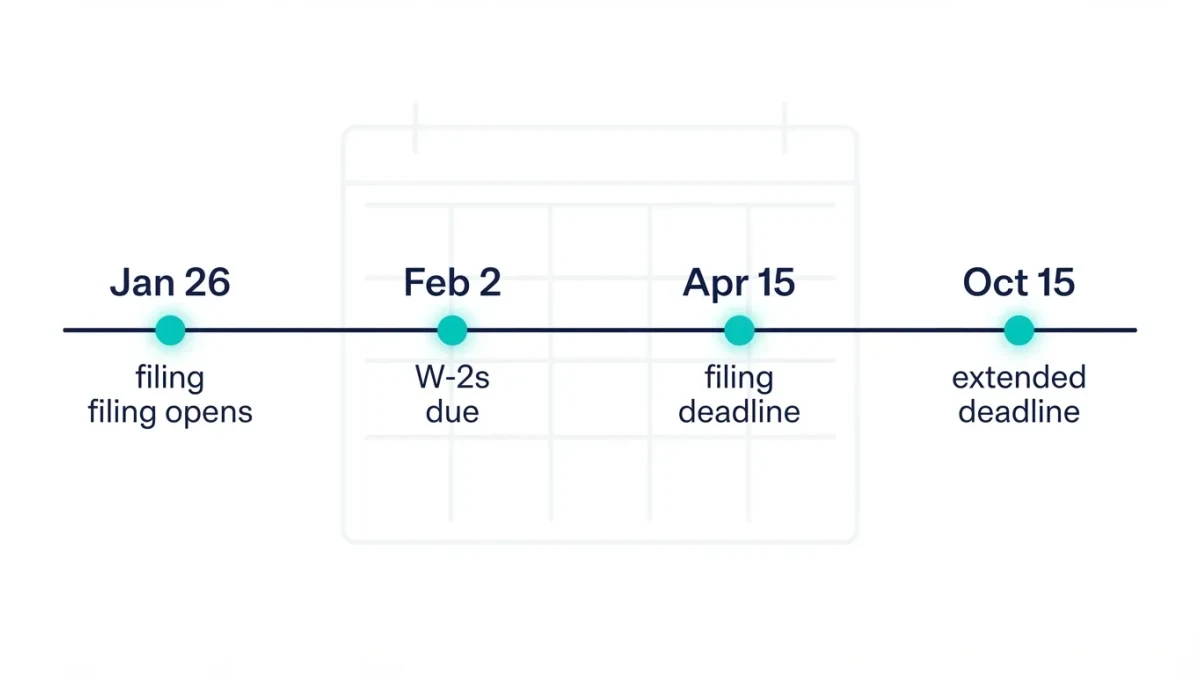
- Watch the PATH Act timing — by law, refunds involving the refundable child credit cannot be issued before mid-February, so late-February deposits are normal even for January filings.
What about the credit for other dependents?
The $500 non-refundable version covers dependents who miss the child tests — a 17-year-old senior, a college student, an elderly parent you support. Same return, smaller number, and it disappears entirely once tax liability hits zero because it is never refundable. Families with a child aging out mid-decade often plan the final year of the full credit alongside first-job income and education credits.
FAQ
Can I get the credit with no income?
Not the refundable portion at zero earned income — the phase-in requires earnings, so households with no work income generally receive nothing refundable, while the nonrefundable part waits for tax to offset. A small earned-income year still earns partial refundability.
Do divorced parents both claim it?
No — one claim per child, defaulting to the parent with majority physical custody. The other parent claims only with a signed Form 8332; double-claiming triggers IRS matching notices and repayments with interest.
Is the credit different in a presidential-budget proposal I read about?
Proposals change the number annually; the law sets it until changed. For 2026 the working figure is $2,200 per qualifying child with up to $1,700 refundable — verify against the IRS page each filing season, since that is the number the return computes from.