
Saving
How to build a CD ladder in five steps
Split cash across certificates with staggered maturities and a piece of your money comes due every year — liquidity from the short end, yield from the long end.
How much cash to hold, where it earns most without a lockup, and how to reach a target on a schedule that does not assume an unrealistic surplus.
Split cash across certificates with staggered maturities and a piece of your money comes due every year — liquidity from the short end, yield from the long end.

A certificate of deposit pays a fixed rate for a fixed term, with FDIC insurance up to $250,000 — the trade is a penalty for cashing in early.
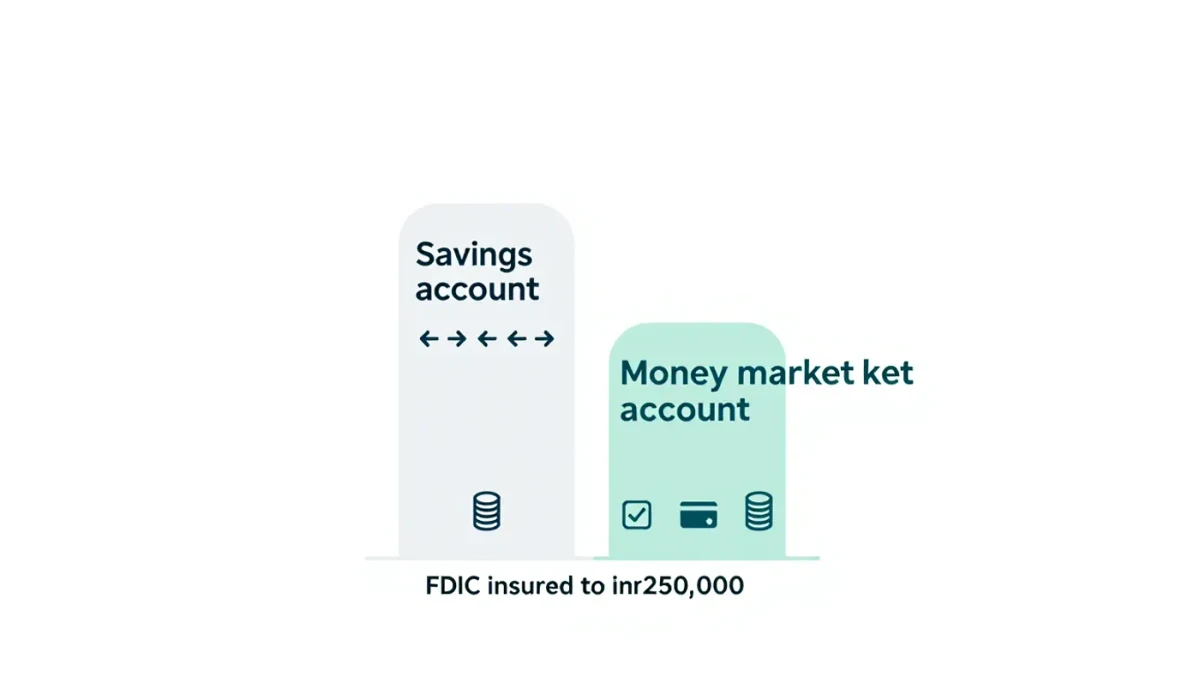
Both are FDIC-insured cash accounts with similar yields — the real differences are access features, minimums, and how you plan to use the money.

A high-yield savings account is a regular FDIC-insured savings account that pays a competitive rate, usually at an online bank — same protection, very different…