
Budgeting
Best budgeting apps compared: which one fits your life
The right app depends on how you already think about money — here is how to match the tool to your workflow.
Tracking methods, category systems and pay-cycle planning that hold up when income varies, including what to cut first when a month arrives short.
The right app depends on how you already think about money — here is how to match the tool to your workflow.

A windfall changes one month, not your whole plan. Here is a simple order of operations for bonus and refund money.
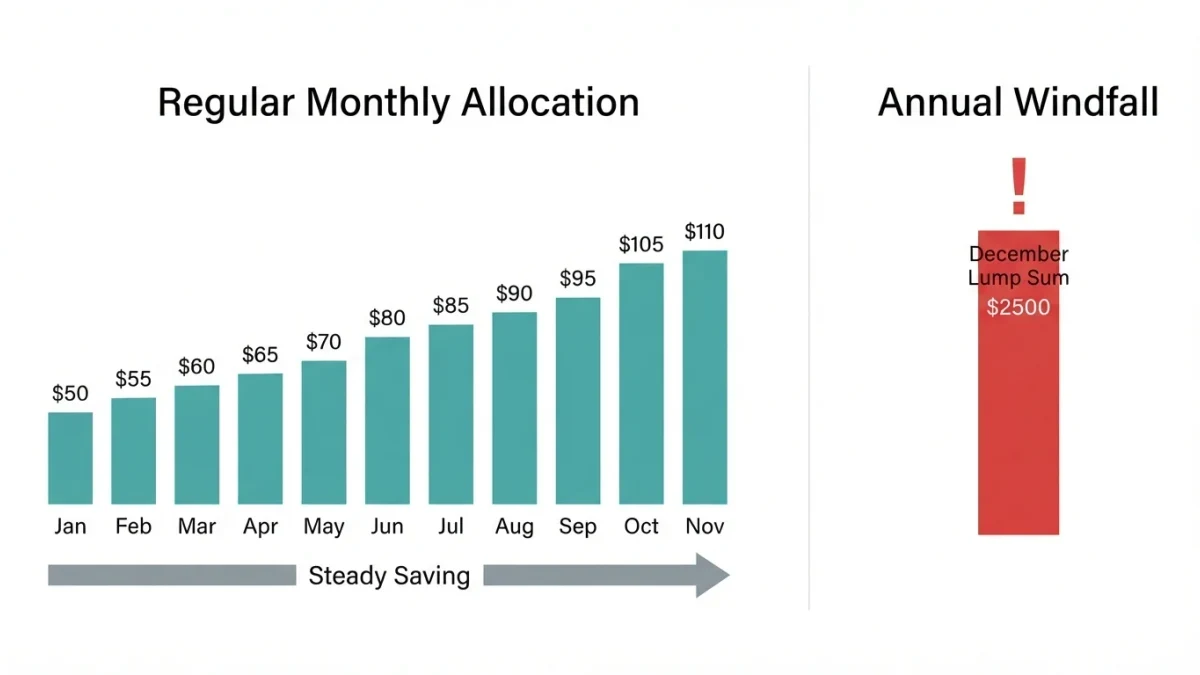
Holiday spending breaks December because it is twelve months of expenses arriving at once — a January-started fund spreads it to $60 a month and the drama to…

Federal spending data gives you a real benchmark for your own budget. Here's how to read the numbers and adapt them to your situation.

Budgeting with no slack is triage, not spreadsheet design — cover the four walls first, build a $500 buffer before anything else, and let automation replace…