
Budgeting
What the average US household spends each month, and how to use it in your budget
Federal spending data gives you a real benchmark for your own budget. Here's how to read the numbers and adapt them to your situation.
Budgeting covers the practical allocation of income: choosing a tracking method, setting category limits, planning around pay cycles, and deciding the order of payments when a month falls short. Approaches suited to freelance and variable earnings are included. For households wanting a system that survives unpredictable pay.
Tracking methods, category systems and pay-cycle planning that hold up when income varies, including what to cut first when a month arrives short.
Federal spending data gives you a real benchmark for your own budget. Here's how to read the numbers and adapt them to your situation.

Budgeting with no slack is triage, not spreadsheet design — cover the four walls first, build a $500 buffer before anything else, and let automation replace…

A sinking fund spreads a known future expense into small monthly saves — turning the car registration, the holidays, and the insurance bill into planned lines…
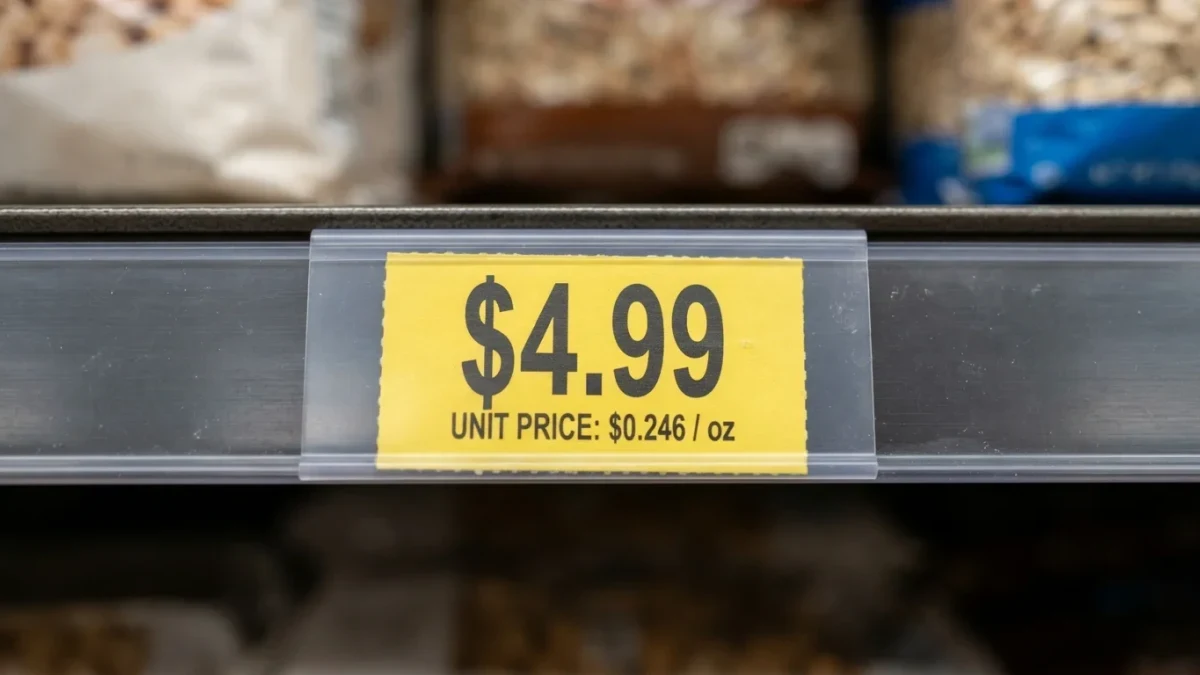
Unit prices, store brands, planned lists, and waste control move the grocery bill more than couponing ever did — four levers, no scissors.
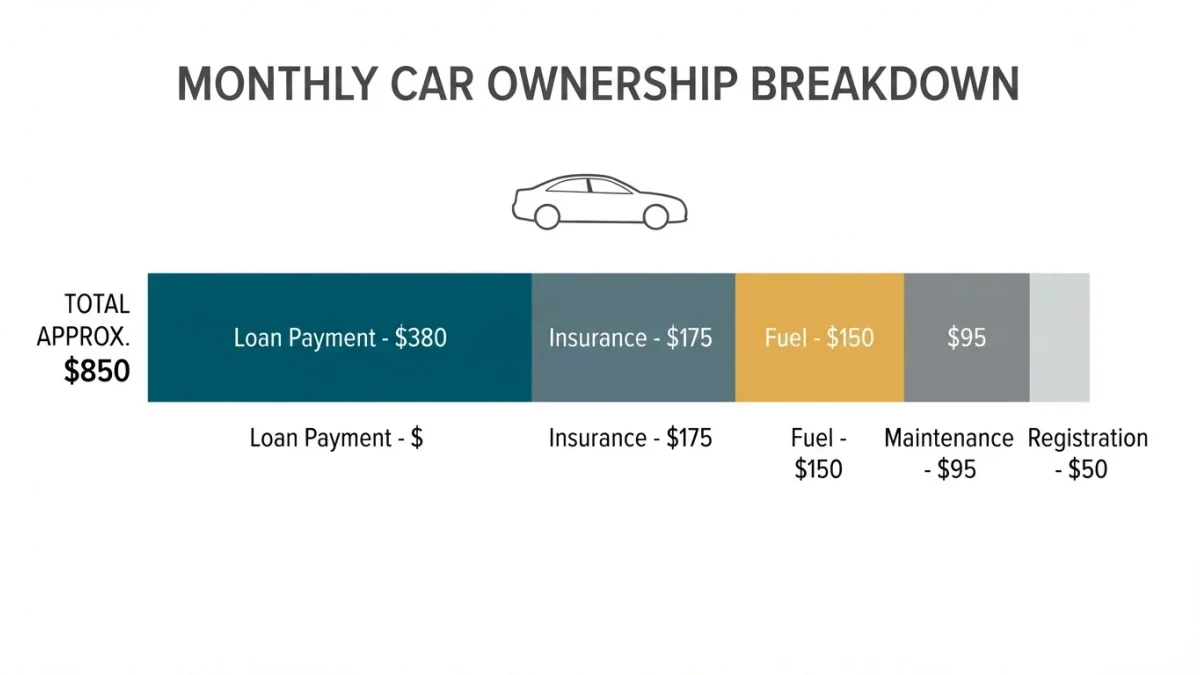
A car's price is roughly half its lifetime cost: financing, insurance, fuel, maintenance, and depreciation decide whether the vehicle fits your budget.