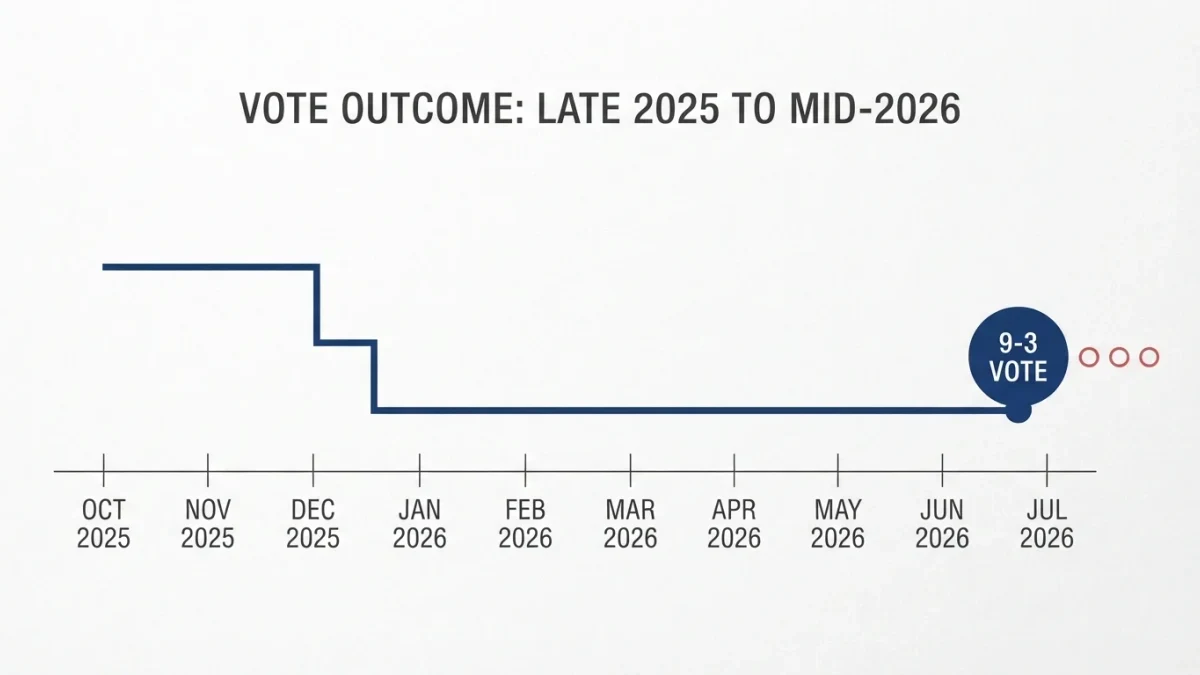
Consumer prices rose 3.5% over the twelve months ending in June 2026, an easing from May's annual pace, in the CPI report the Bureau of Labor Statistics released July 14 — per BLS, the first step back after an upward drift. A 3.5% year is still well above the Federal Reserve's 2% goal, which is why the Fed has held its target range at 3.50%–3.75% all year after its December 2025 cut. For households, the number lands in between: budget pressure that is no longer worsening, but not yet relief.
SAMCASH publishes information, not financial advice — inflation's effect depends on your spending mix, since the average bundles categories moving very differently.
What does 3.5% annual mean month to month?
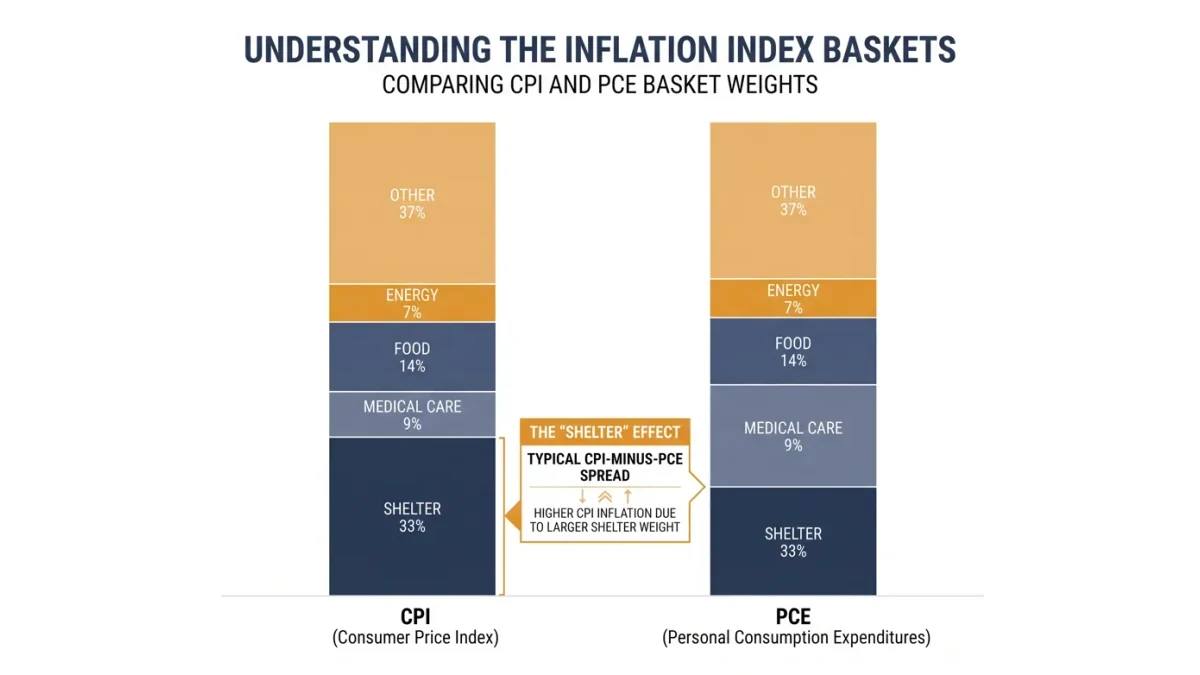
Prices on average cost 3.5% more than last June — roughly 0.28% compounding each month, though no month is average. The household translation: a $900 grocery-and-gas budget absorbing another year of 3.5% needs about $32 more monthly next year to buy the same things. Averages also hide spread — some categories run far hotter than the index while others sit flat, so your personal inflation depends on which basket you actually carry.
Why does this number move markets and rates?
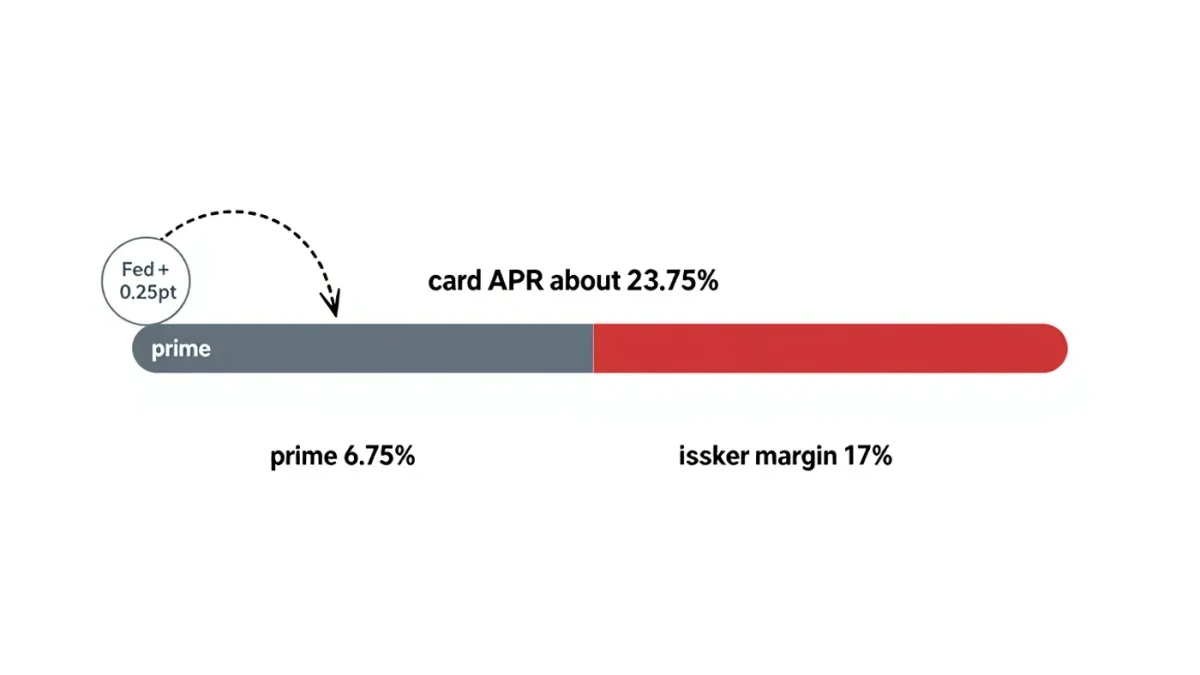
Because it is the Fed's main scorecard. Inflation above goal with steady growth keeps the FOMC holding — and a hold means savings yields near their current levels stay, mortgage rates stay priced off elevated long-term yields, and card APRs keep sitting in the 20s. A string of cooler readings is what typically earns cuts, which lower loan costs but also erode top savings APYs. One report changes nothing; the direction across spring and summer reports sets the Fed's autumn.
What should you actually do?
Treat 3.5% as a planning assumption, not an emergency. Re-price the annual bills — insurance, subscriptions, utilities — against their actual increases, since those reset higher than headline inflation lately. Keep savings competitive: at 3.5% inflation, cash earning 0.4% loses purchasing power while accounts near 4% hold roughly level in real terms. And keep the I-bond and T-bill doors in mind — inflation-linked instruments are designed exactly for stretches when the CPI runs warm.
FAQ
Is 3.5% good or bad news?
Contextually encouraging — a slowdown from the pace that preceded it, and far from 2022's 9%-peak — but still above the 2% the Fed targets and above what two years of wage gains in many industries have fully absorbed. It is progress priced in percentages, not victory.
When is the next CPI report?
The July data is scheduled for release in mid-August, per the BLS release calendar — one more reading before the Fed's late-summer meetings, which is exactly why this stretch of reports carries rate-path weight.