
The employee contribution limit for 401(k) plans rose to $24,500 for 2026, up from $23,500 in 2025 — a $1,000 increase announced by the IRS in its annual cost-of-living notice. Workers age 50 and older can add an $8,000 catch-up, for a personal maximum of $32,500, and the combined employee-plus-employer ceiling is $72,000. If you are paid twice a month, maxing the base limit takes $1,020.83 per paycheck — and capturing your full employer match still matters more than the ceiling.
SAMCASH publishes information, not financial advice — retirement contributions depend on your income, debts, and tax situation, and plan rules vary by employer.
What changed for 2026?
The base deferral limit is $24,500, and the math of getting there is simpler than it looks: $24,500 across 26 biweekly paychecks is $942.31 each. Workers 50 and older can layer the $8,000 catch-up for $32,500 total. The IRA contribution limit stays $7,500 for 2026, so the 401(k) remains the roomiest retirement account for most employees.
Who should raise contributions now?
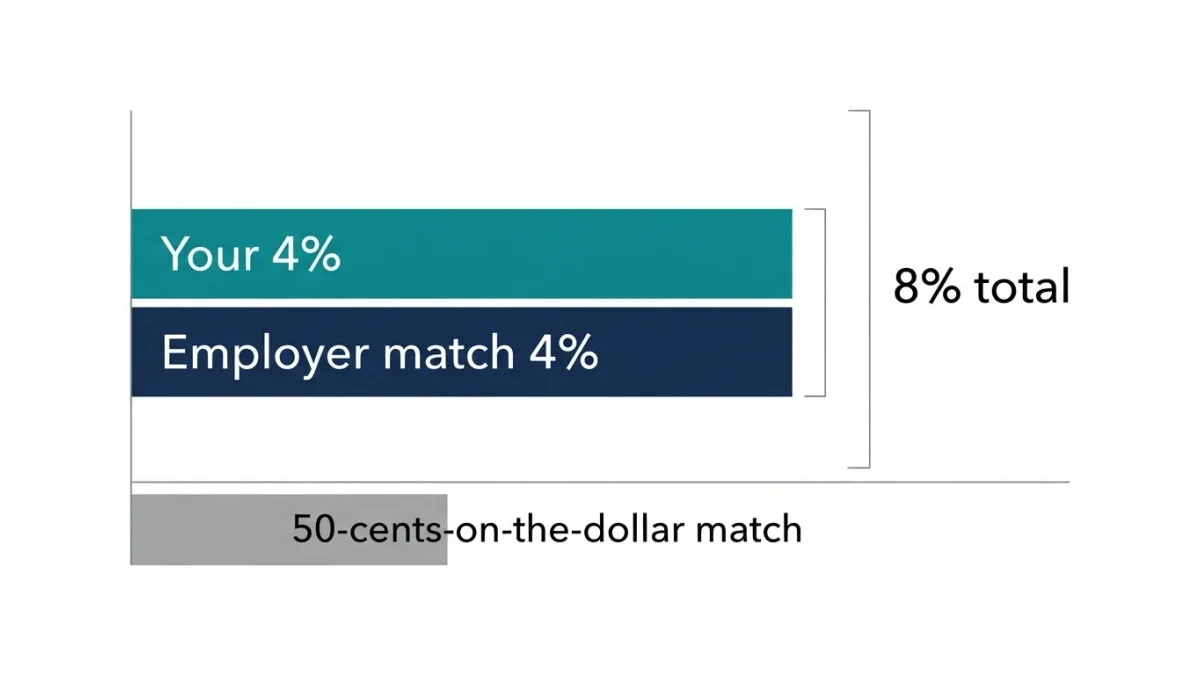
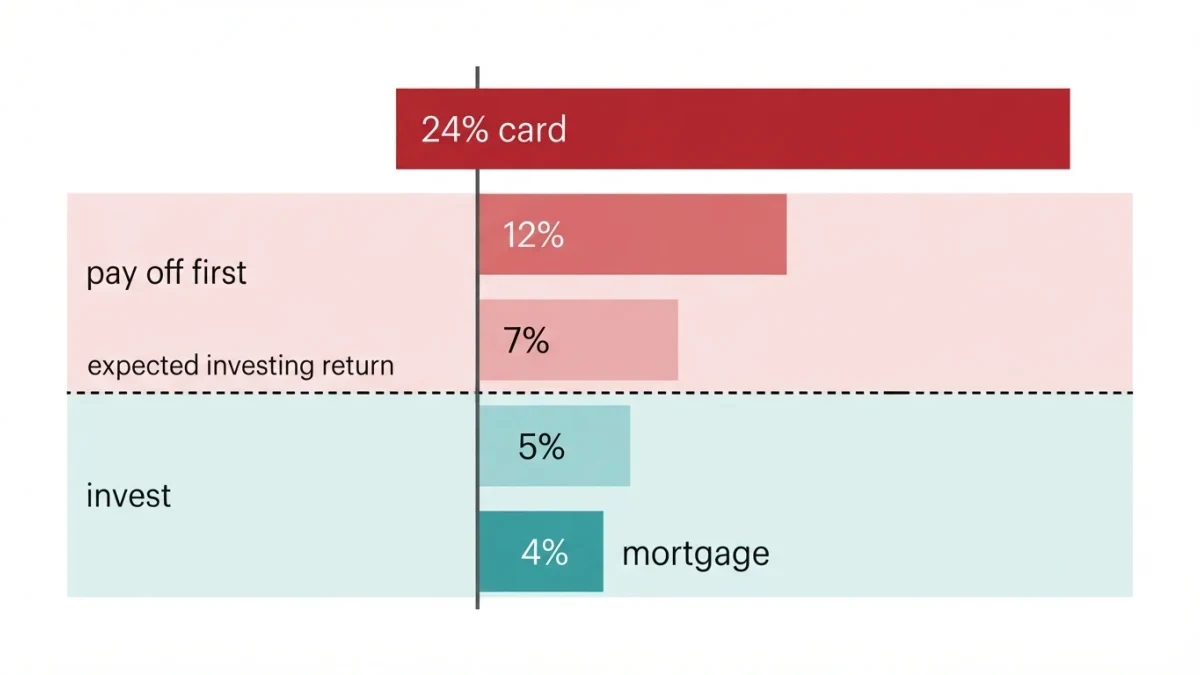
Anyone not yet capturing the full employer match should raise their deferral first — a 50% match on 6% of pay is an immediate return no market can offer. Beyond the match, households with emergency savings and no high-rate card debt are the natural candidates for pushing toward the new ceiling, because traditional deferrals also reduce this year's taxable income.
What if you cannot get close to the limit?
Aim for 1% more than last year. A worker earning $60,000 who moves from 5% to 6% defers $600 more in 2026 — $3,700 total toward the $24,500 cap — and a matching contribution can double part of that increase. Automatic annual escalators, where the plan raises your percent each year, do the remembering for you.
FAQ
Does the $24,500 limit include the employer match?
No. The $24,500 cap covers only your own elective deferrals; employer matching and profit-sharing dollars count toward the separate $72,000 combined limit. A full match plus your deferrals can far exceed $24,500 of total contributions.
Can I still make catch-up contributions at 50?
Yes — the $8,000 catch-up for workers 50 and older continues in 2026, bringing the personal maximum to $32,500. Check your plan's enrollment settings, because some plans require you to elect the catch-up separately once you become eligible.