Savings bonds are debt issued by the U.S. Treasury. You lend the government money, it pays you interest, and the bond has rules about when you can cash out. The two kinds sold to individuals today are Series EE and Series I, and both are bought electronically through the Treasury's own platform rather than at a bank counter.
The mechanism matters more than the marketing. A savings bond is a lockup with a government guarantee behind it, while a savings account is a lockup-free balance insured by the FDIC or NCUA. Which one fits depends on when you need the money, and on how the rate is set. Rates on both bonds and accounts change, so treat every figure here as a snapshot, not a promise.
If you already keep cash in a high-yield savings account, you have the baseline for comparison. According to Bankrate, online savings accounts were paying APYs — the yearly yield including compounding — in the roughly 3% to 4% range as of October 6, 2026, with some accounts at or above 4%. Those rates float. Bond rates are set on their own schedule by the Treasury.
What are the types of savings bonds?
Series EE and Series I bonds work differently, and the difference is the whole point of choosing between them.
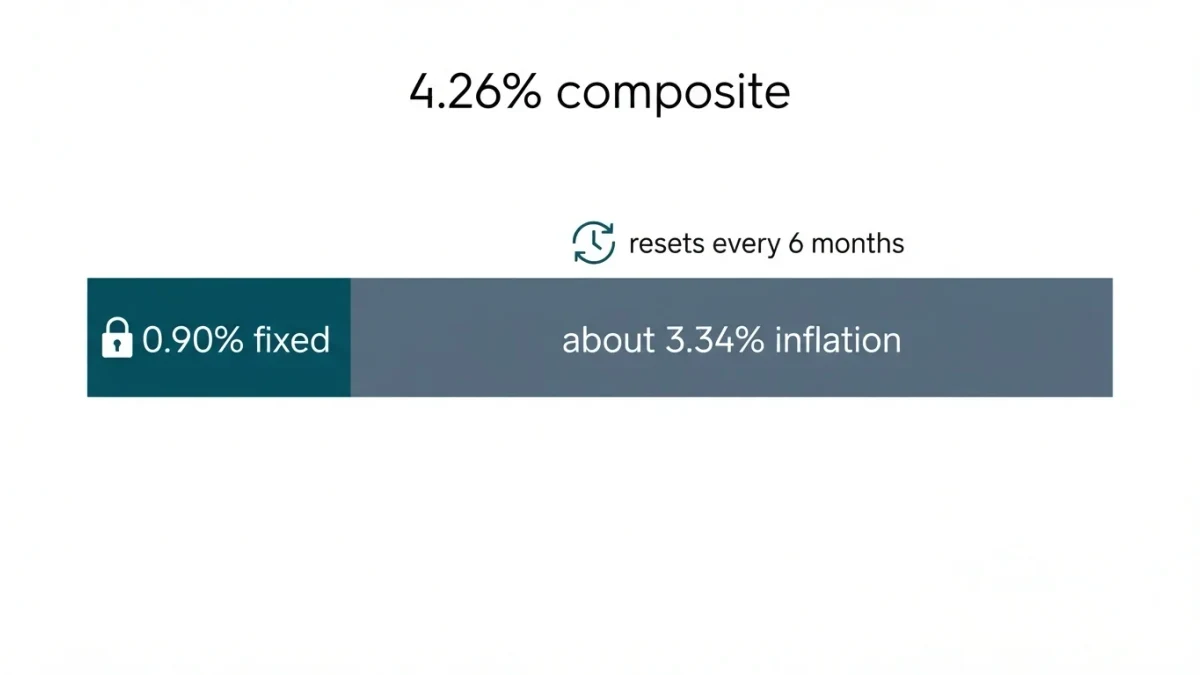
- Series I bonds carry an inflation-linked component. The rate is reset on a schedule set by the Treasury, so the yield moves with measured inflation. When inflation runs hot, the rate rises; when it cools, the rate falls. Our coverage of the new I bond rate of 4.26% starting May 1, 2026 shows the mechanism in action: the number is announced, then it holds until the next reset.
- Series EE bonds carry a fixed rate set at purchase, plus a Treasury guarantee on long-term growth. The guarantee is the feature: hold long enough and the Treasury tops up the value under terms published when you bought. Read those terms before buying, because the guarantee has conditions.
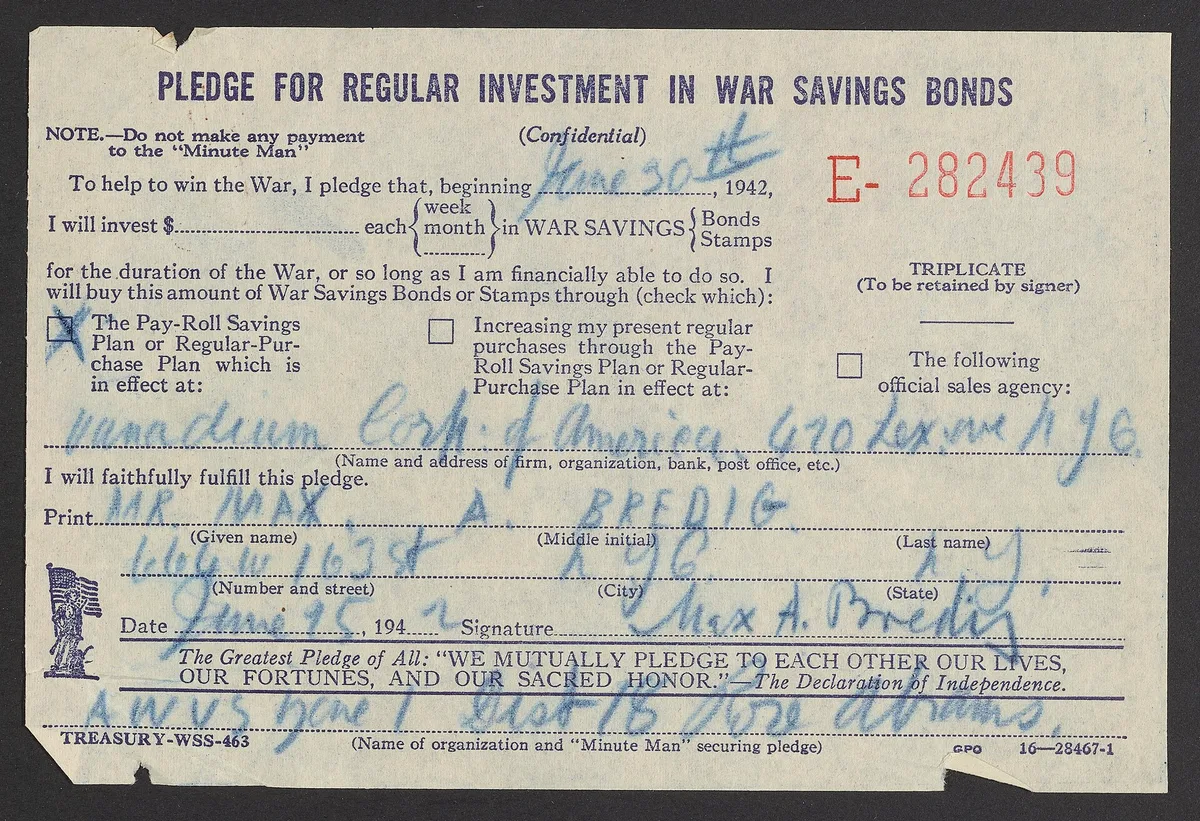
Older paper bonds — Series E and older savings bonds — still exist in drawers across the country, and they redeem under the rules of their era. If you inherit one, look up its terms rather than assuming today's rules apply.
How do savings bond rates actually work?
Lead with the mechanism, because that is where the risk hides. An I bond's rate has two parts: a fixed component that stays for the life of the bond, and an inflation component that resets periodically. You do not choose the reset number. You accept it, twice a year, for as long as you hold.
That cuts both ways. If inflation stays elevated, your bond keeps pace. If inflation collapses, the inflation component can shrink toward zero, and your blended rate falls with it. A fixed-rate account does the opposite: it cannot rise, but it cannot be cut either. Neither structure is automatically better. The question is which uncertainty you would rather hold.
Compare that with a savings account, where the bank can change the APY at any time. MyBankTracker notes that an introductory or "teaser" rate can later drop sharply, sometimes cut nearly in half, which is why it tells savers to read the fine print on how long a rate lasts. A bond's published rules are, if anything, more explicit — but they are still rules you must read.
Savings bonds vs. savings accounts: what this means for your cash
The honest comparison is about access, not just yield. Here is the trade-off in plain terms.
| Feature | Savings bond | High-yield savings account |
|---|---|---|
| Rate setter | Treasury formula; resets on its schedule | Bank; can change any time |
| Access to money | Redemption rules and holding periods apply | Withdraw whenever |
| Backing | U.S. Treasury | FDIC/NCUA insurance up to limits |
| Best fit | Money you can park | Money you may need soon |
On insurance, MyBankTracker's methodology requires every ranked institution to be federally insured by the FDIC or NCUA, protecting deposits up to $250,000. We explain the edges of that protection in our guide to what FDIC insurance covers, and what it doesn't. Treasury securities are backed by the government itself, which is a different kind of guarantee — not better or worse for every purpose, just different.
So the practical split looks like this. Money for a job loss or a broken furnace belongs where you can reach it without penalty. That is the emergency-fund job, and we walk through it in how to build an emergency fund on a tight budget. Money with a longer horizon — a down payment years out, or a portion of savings you genuinely will not touch — is where bond mechanics can earn their lockup.
How do you cash out a savings bond?
Redemption is a process with rules attached, and the rules are the part beginners trip on.
- Check the holding rules first. The Treasury sets minimum holding periods and, for early redemption, an interest penalty on some bonds. The exact terms depend on the series and the issue date, so confirm them on the Treasury's own pages before you plan around a date.
- Redeem electronically. Bonds bought through the Treasury's electronic system are cashed through that account. The proceeds land in a linked bank account.
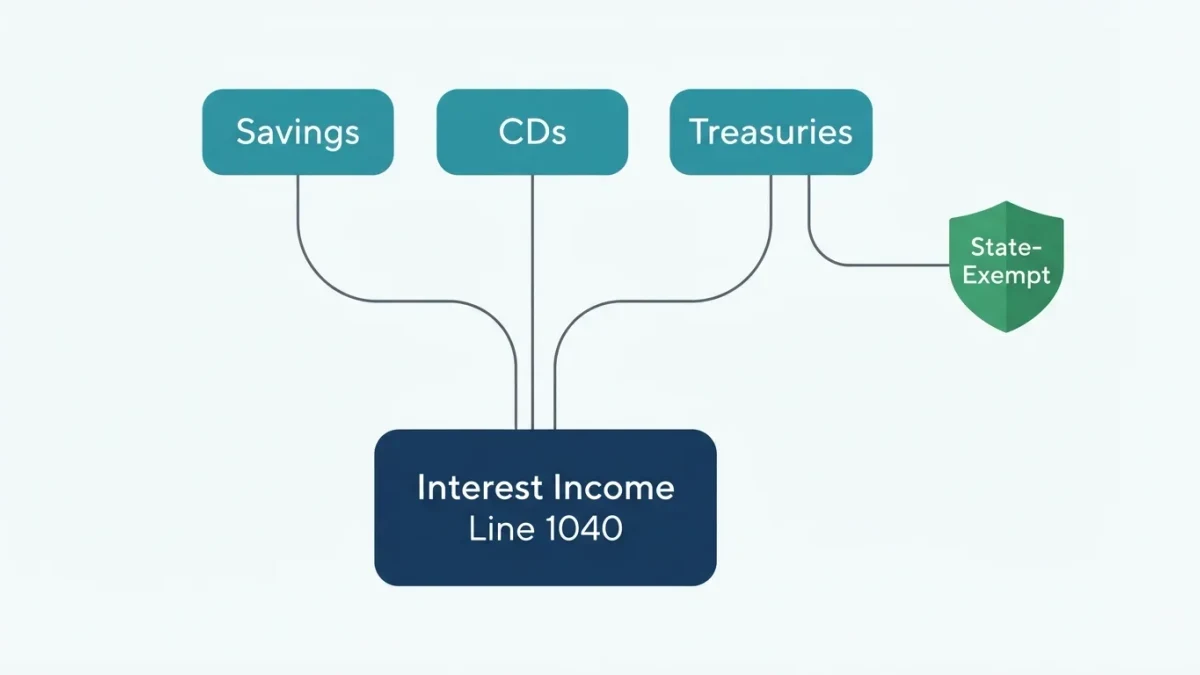
- Expect the tax paperwork. Interest earned is taxable income, and the reporting shows up the same way other savings interest does. Our explainer on how savings interest is taxed — the 1099-INT, explained covers the form. Tax treatment of bonds has specifics of its own, so verify against official guidance rather than assuming account rules carry over.
One skeptical note from someone who has watched platforms come and go: the redemption mechanics live inside one government system. Keep your own records of what you bought and when. Bureaucracies are slow to fix, and your documentation is the fastest path through.
Practical steps before you buy
- Sort your cash by job first. Emergency money stays liquid. Only surplus beyond that is a candidate for a bond.
- Read the current rate terms at the source. The Treasury publishes the rates and the rules; those documents, not a summary like this one, are the authority. Rates change, and this article's figures will age.
- Decide which uncertainty you accept. An I bond's rate moves with inflation. A fixed-rate product does not. Choose the risk you can live with, not the headline number.
- Compare against what you already earn. If your savings account yield, checked against a current rate table, matches or beats the bond's blended rate with none of the lockup, the bond needs a reason to exist in your plan.
Savings bonds are a legitimate tool with a government guarantee and rules written in advance. They are also a lockup, and lockups only pay when the timing is honest. Match the instrument to the timeline, verify the current terms at the source, and the rest is arithmetic.