
Credit card rewards are a small share of the money a card company earns from your spending, handed back to you as points, miles, or cash back. They are worth having if you pay your balance in full every month. If you carry debt, interest charges will usually wipe out the reward and then some.
That is the whole trade in one paragraph. The rest of this piece explains where the reward money actually comes from, who profits, and which fine print quietly shrinks your haul. The word itself is older than the cards: the Cambridge Dictionary lists credit as money available to borrow, paid back later — credit in the lending sense, not the compliment.
Knowing the mechanics matters because rewards programs are built to nudge your behavior. Once you see the levers, you can decide which nudges are worth accepting and which are just expensive theater.
What are points, miles, and cash back, really?
They are three packaging styles for the same idea: a rebate on what you spend. Cash back is the simplest. You spend a dollar, the issuer returns a fraction of it as a statement credit or deposit.
Points and miles are the same rebate with extra steps. The issuer converts your spending into a currency it controls: points, or airline miles. That currency has a value the issuer — not you — largely sets, because the issuer decides what each point buys and how many you need.
Why does that matter? Cash has one price. Points have many. A point might be worth a lot toward a flight the airline wants to fill and almost nothing toward the gift card you actually wanted. The less flexible the currency, the more the issuer controls its value.
Where does the reward money come from?
Rewards are not charity, and they are not free money. They are funded mostly by fees paid on every card transaction. When you swipe, the merchant pays a processing fee. Part of that fee goes to the bank that issued your card. That slice is called interchange, and on many reward cards it is set higher than on basic cards.
So the money moves in a loop. Merchants pay fees to accept cards. Issuers take part of those fees and use some of it to fund rewards. Merchants, in turn, build card costs into prices, which everyone pays — cash buyers included.
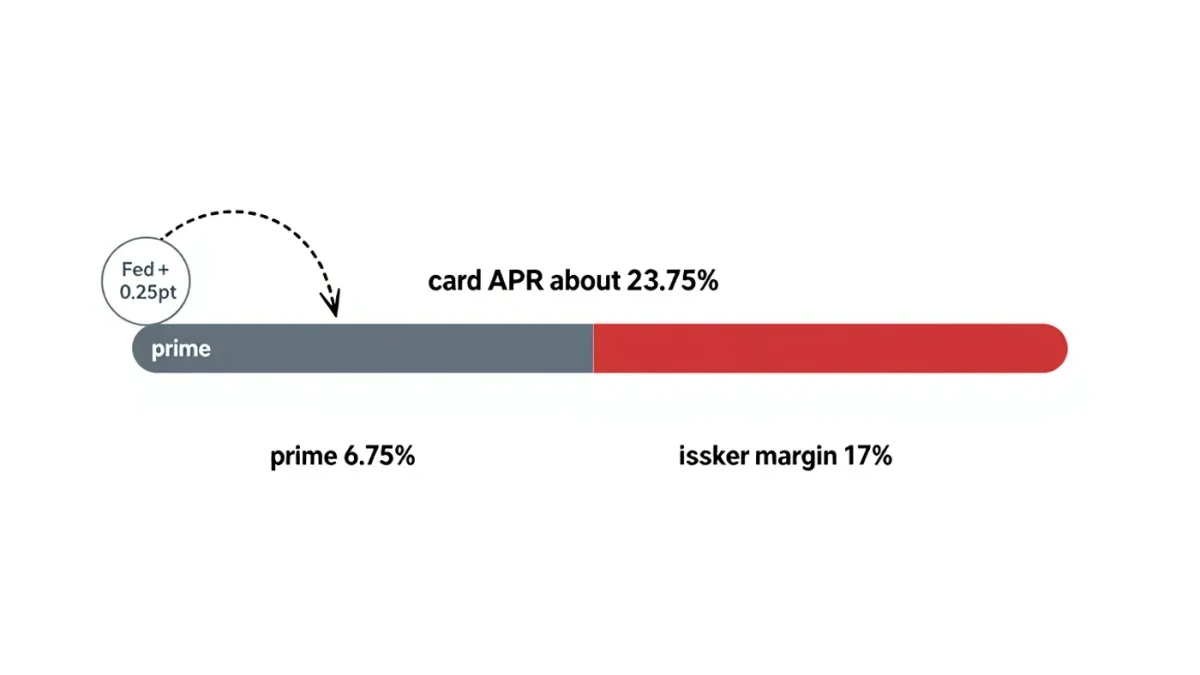
There is a second funding source: customers who carry a balance. Interest charges are the most profitable part of card lending, and they subsidize the rewards paid to people who never pay interest. If you want a fuller picture of why card interest stays expensive even when the central bank cuts rates, we covered that in why your credit card APR barely moves when the Fed cuts.
Our analysis: the fee sits with the merchant first, and the merchant passes it on. The reward you earn is partly a refund of a cost you pay at the register whether you notice it or not.
Who actually comes out ahead?
Three groups, roughly. People who pay in full every month, spend on cards they would spend money anyway, and redeem for flexible options tend to come out ahead. The reward is a genuine discount, and they pay no interest.
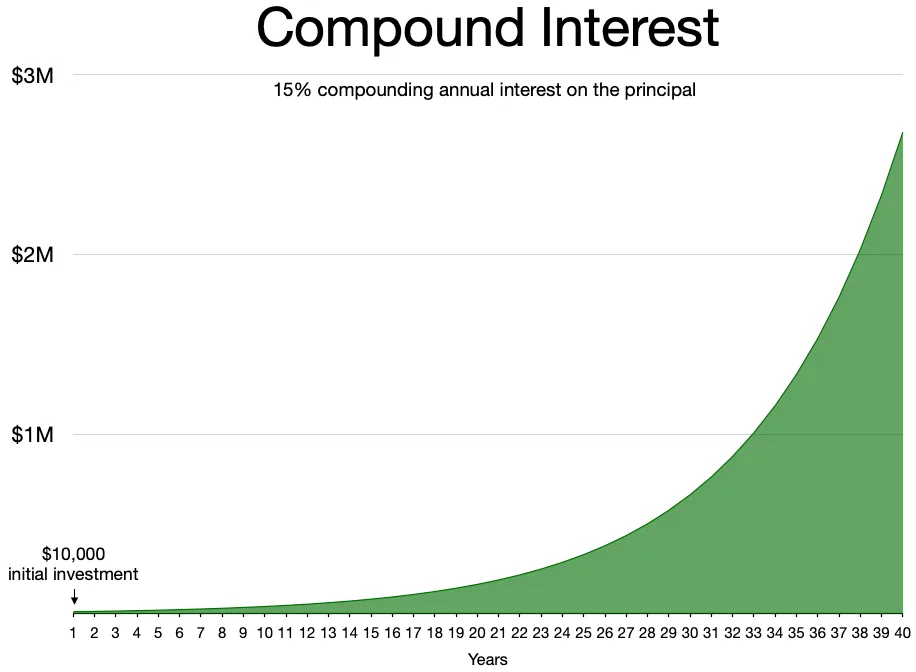
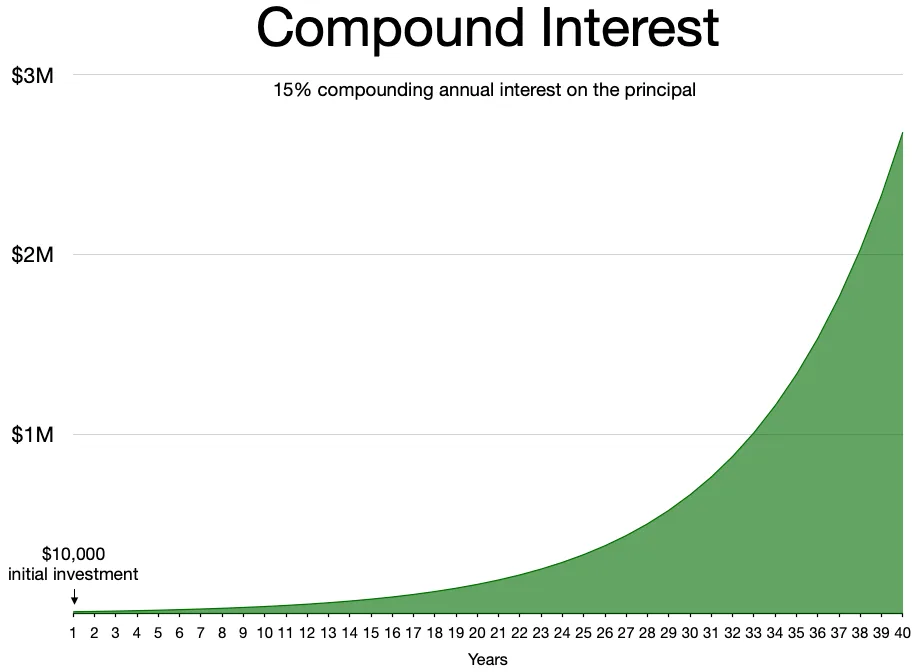
People who carry a balance usually come out behind. Interest on a credit card runs far higher than any reward rate a card pays. A reward worth a few cents on the dollar cannot offset interest that costs tens of cents on the dollar over a year. If debt is the issue, the reward card is the wrong tool — the priority is the payoff, not the points.
People who chase rewards by spending more also tend to lose. A bonus for spending a set amount in a set window only pays if the spending was going to happen anyway. Buying things you do not need to earn a rebate on things you did not need is the program working exactly as designed.
The honest summary: rewards shift money from heavy borrowers and cash users toward disciplined card users. That is the design, not an accident.
What does the fine print hide?
Several things, and each one shrinks the value of the program.
- Earning caps. Some cards pay a high rate only up to a spending limit each quarter or year, then a much lower one. The headline rate applies to the part of your spending that fits the cap.
- Category rules. Bonus categories — say, dining or travel — often require activation, and definitions matter. A warehouse club or a superstore may not count as the category the marketing suggests.
- Redemption floors and windows. Some programs let the issuer forfeit points on certain accounts, or restrict how you can redeem. Read the redemption terms before you assume a point is worth anything in particular.
- Rotating categories. A card that pays a bonus on different categories each quarter pays the headline rate only on the current category, and only if you enrolled.
- Annual fees. A fee is a negative reward. It comes off the top before any points are counted, so a card with a big fee needs enough real, recurring spending to clear it — not hoped-for spending.
None of this means rewards are a trap. It means the advertised number is the ceiling, not the floor.
Practical steps: how to use rewards without the program using you
Work through these in order. The order matters more than any single step.
- Clear the balance first. If you carry debt month to month, rewards are noise. Paying less interest saves more than any rebate earns. Our budgeting guides cover building the payoff plan.
- Match the card to spending you already do. The best card is the one whose bonus categories match your existing grocery, gas, or travel bills — not the one with the flashiest offer.
- Do the fee math once a year. Subtract the annual fee from the rewards you actually earned last year. If the number is negative, the card failed its own test.
- Redeem for flexible value. Statement credits and direct deposits are worth a known amount. Points booked through travel portals are worth whatever the program says they are that day.
- Track expirations and program changes. Issuers can change earning rates and redemption values with notice in the terms. The value you signed up for is not guaranteed to be the value you redeem at.
One-line encouragement, grounded in fact: a rebate you actually redeem beats a headline rate you never capture.
The bottom line on credit card rewards
Rewards are a rebate funded by fees — interchange from merchants and interest from borrowers — and the programs are engineered so the issuer keeps control of the currency. Used on top of spending you were doing anyway, with the balance paid in full, they are a modest, real discount. Used as a reason to spend, or alongside a balance, they cost more than they return.
What the evidence here establishes is the plumbing: where the money comes from and who pays it. What remains unknown for any individual card is its exact rates, caps, and terms — those live in the issuer's own documents and change over time, so read the current terms before you decide. For more consumer-money coverage that changes what readers should do, the Money News desk tracks these shifts as they happen. For related coverage, see The Fed cut rates in December 2025 — here is what it means for your money.